
10 of the best books for branding and design

Advertising disclosure: This article contains Amazon affiliate links. We may earn a commission from qualifying purchases, at no extra cost to you. As an Amazon Associate I earn from qualifying purchases.
A good design book should change something about the next piece of work you make. It might help you ask a sharper question in a brand workshop, spot why a layout feels wrong or explain a creative decision without reaching for the word “premium”.
The best books for branding and design cover different jobs. Brand strategy asks what a business should stand for. Identity design makes that position recognisable. Typography and layout help people understand it. Creative thinking gives them a reason to pay attention.
That distinction matters when AI can produce another polished-looking route in seconds. Generating options is easier; deciding which option deserves to exist still takes judgement. This reading list puts that judgement first. It combines established reference books with shorter reads, rather than ranking ten versions of the same advice.
Which branding or design book should you read first?
- New to branding: start with The Brand Gap, then Branding: In Five and a Half Steps.
- Building an identity: reach for Designing Brand Identity and Logo Design Love.
- Improving the craft: pair Thinking with Type with Grid Systems in Graphic Design.
- Finding a stronger idea: try ZAG, Michael Bierut’s How to… or Steal Like an Artist.
- Connecting design to commercial growth: add How Brands Grow.
Choose the problem you need to solve before buying the whole shelf. The numbers below organise the list; they are not a claim that one book is objectively better than every other.
1. The Brand Gap - Marty Neumeier
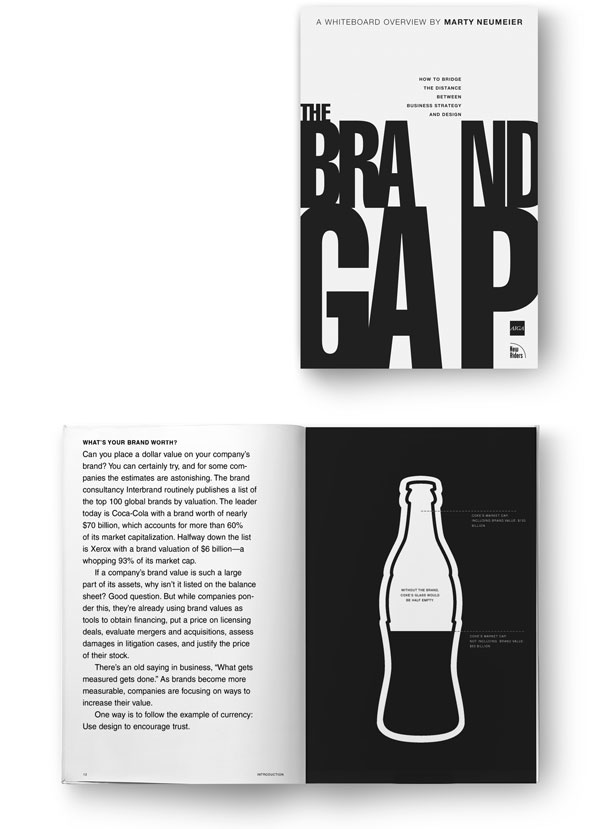
Best for: a shared language between designers, strategists and clients.
Neumeier connects business strategy with the way a brand is expressed and experienced. Its concise format makes it an accessible starting point for people who need to discuss branding together but arrive with different definitions of the word.
For a founder, it helps move the conversation beyond choosing a logo. For a designer, it offers a way to connect creative choices to the business behind them. Treat it as an introduction and a discussion starter, rather than a complete research method.
Try this: before presenting a visual route, write one sentence explaining the perception it should create. If the sentence could describe any competitor, return to the brief.
About the book · Find The Brand Gap on Amazon UK
2. Branding: In Five and a Half Steps - Michael Johnson
Best for: connecting the verbal idea to the visual identity.
Johnson takes branding through a structured development process, using examples to connect research, strategy, language and design. That makes it particularly useful when a team has plenty of visual references but cannot yet explain the idea behind them.
A brand rarely becomes distinctive through a moodboard alone. The name, positioning, words and visual system need to pull in the same direction. This is a useful book for designers stepping into strategy and marketing teams commissioning an identity.
Try this: describe the brand in plain language before opening your design software. Then test whether the proposed typography, imagery and tone reinforce that description.
About the book · Find Branding: In Five and a Half Steps on Amazon UK
3. Designing Brand Identity - Alina Wheeler and Rob Meyerson
Best for: planning an identity project from research to rollout.
The sixth edition brings together brand fundamentals, process guidance and case studies. It covers the work surrounding the identity as well as the identity itself: research, decisions, implementation and ongoing management.
It suits an in-house lead preparing a rebrand, an agency building a project plan or a designer who wants a broader view of delivery. Use it as a reference when a project gets complicated, rather than assuming you must read it straight through before starting.
Try this: map the decisions and approvals your next identity project needs. Include rollout, asset ownership and guidelines—not just the creative presentation.
About the sixth edition · Find Designing Brand Identity on Amazon UK
4. Logo Design Love - David Airey
Best for: the practical decisions behind an identity mark.
Airey examines logo design through project thinking, sketches, client relationships and presentation. The useful question is not simply whether a symbol looks good at the centre of a slide, but how a designer arrives at a solution and explains it.
This is a strong starting point for students and independent designers developing a more deliberate process. Clients can benefit too: understanding the work behind a mark makes feedback more useful than asking for another colour option.
Try this: present one concept in a small, everyday application before showing the large hero mock-up. Explain the idea and the functional decisions separately.
About the book · Find Logo Design Love on Amazon UK
5. Thinking with Type - Ellen Lupton

Best for: typography that communicates clearly.
The revised third edition covers typefaces, spacing, hierarchy, grids and the organisation of words on a page or screen. It also broadens the examples and writing systems represented in the book.
Typography can make a modest identity feel considered, or make an expensive identity difficult to use. This belongs on the reading list of anyone designing brand guidelines, websites, presentations or campaign assets. It is especially helpful when a layout feels awkward but changing the font does not fix it.
Try this: redesign one slide using the same typeface throughout. Build hierarchy through size, weight, spacing and placement before introducing another font.
About the third edition · Find Thinking with Type on Amazon UK
6. Grid Systems in Graphic Design - Josef Müller-Brockmann
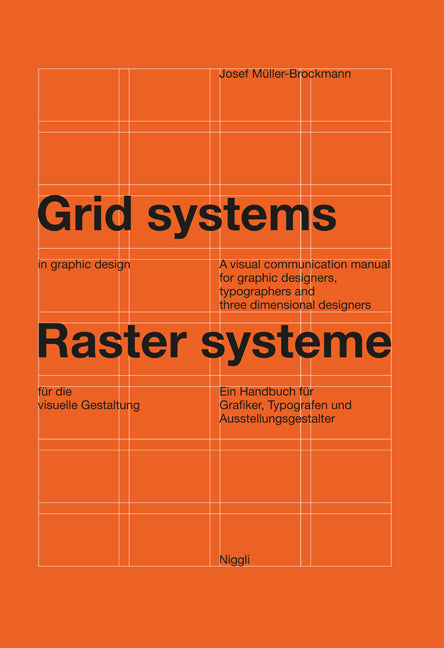
Best for: making a visual system behave consistently.
This is a systematic guide to organising typography and images through grids. The presentation is more technical than a quick creativity read, but the underlying problem remains familiar: how do several pieces of information belong together without every layout becoming a new invention?
It is particularly useful for designers working across editorial material, presentations and identity applications. The principles can inform digital layouts too, although responsive screens need their own testing rather than a direct copy of a printed page.
Try this: build three campaign formats from one set of alignment rules. Identify what remains consistent and what genuinely needs to change between formats.
About the book · Find Grid Systems in Graphic Design on Amazon UK
7. ZAG - Marty Neumeier
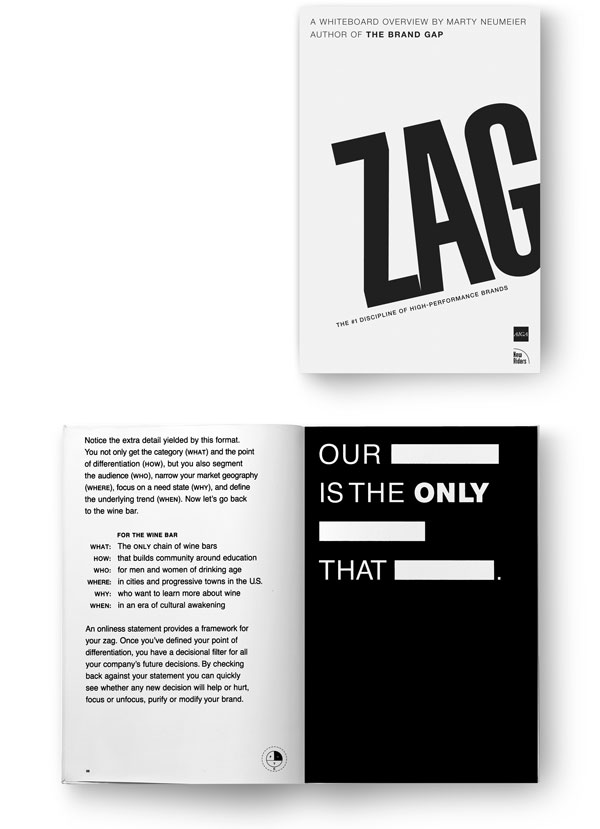
Best for: challenging a positioning that sounds like everyone else.
Where The Brand Gap introduces a shared view of branding, ZAG concentrates on differentiation. It is useful when a brief promises familiar qualities—quality, innovation, great service—but does not yet explain why somebody should notice this particular business.
Founders, strategists and designers can use it to challenge the proposition before investing in its expression. Read it alongside commercial evidence: being unusual is not enough if the difference has no relevance to the customer.
Try this: remove the logo from your positioning statement. Could three competitors plausibly use it? Rewrite around a meaningful choice or trade-off, then test it with the audience.
About the book · Find ZAG on Amazon UK
8. How to… - Michael Bierut
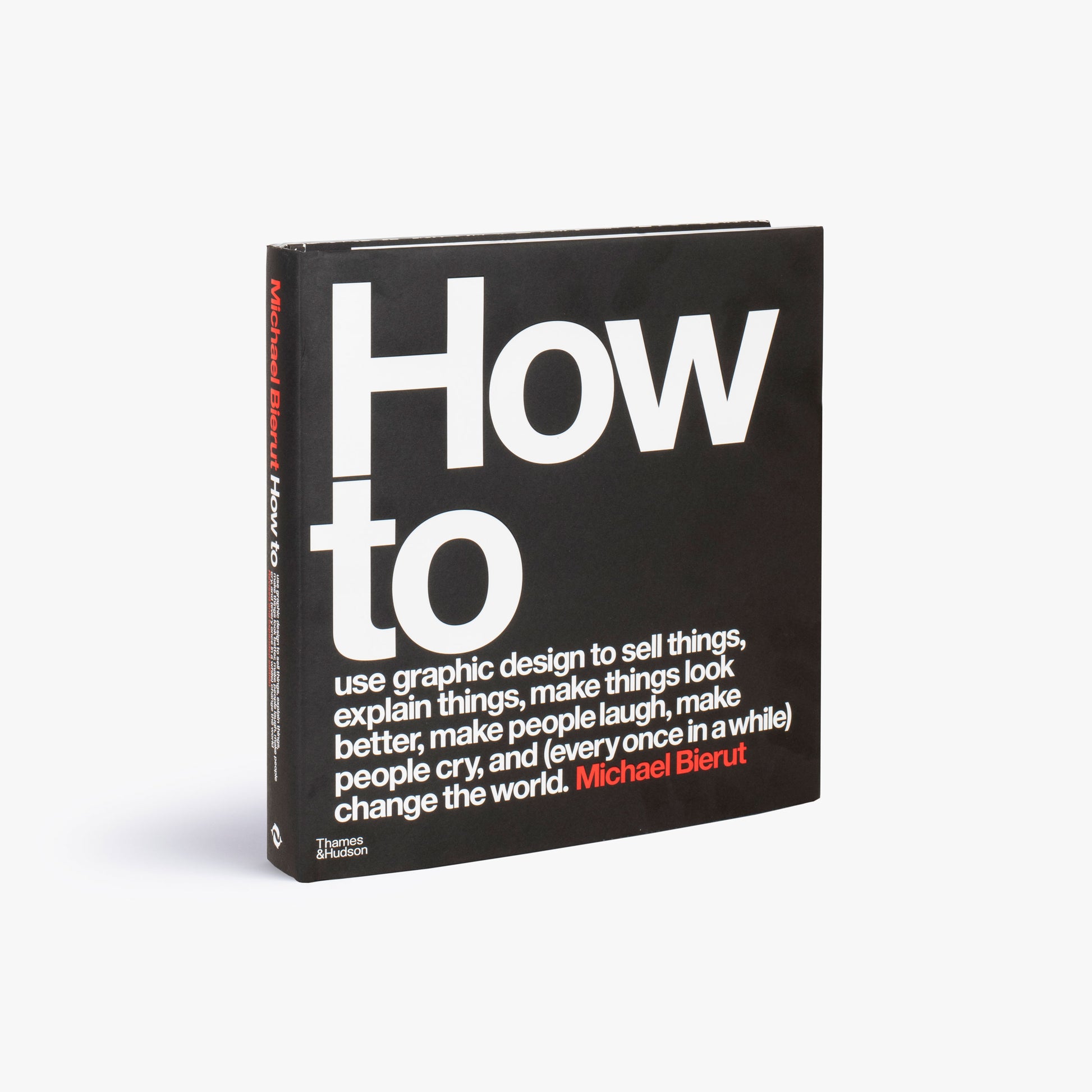
Best for: seeing how a designer turns a problem into an idea.
The full title begins How to Use Graphic Design to Sell Things, Explain Things, Make Things Look Better. Bierut’s career monograph uses projects to explore what design can achieve in different contexts.
For an agency team, its value is in looking beyond an attractive final image to the communication problem. A designer’s portfolio becomes more useful when it reveals why the solution takes that form. The same applies to your own case studies and creative presentations.
Try this: rewrite a portfolio caption in three parts: the problem, the central idea and how the design carries it. Remove adjectives that the work should demonstrate for itself.
About the book · Find Michael Bierut’s How to… on Amazon UK
9. Steal Like an Artist - Austin Kleon
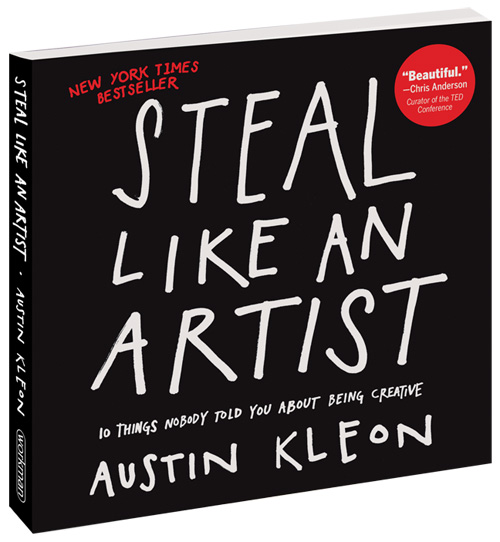
Best for: developing a more active relationship with creative references.
Kleon’s short, illustrated book explores influence and creative habits. It is a useful counterweight to collecting endless references without making anything from them.
For branding and design, the practical distinction is between learning from a principle and reproducing somebody else’s expression. A reference might teach you about rhythm, contrast or storytelling; it should not become a shortcut to copying a distinctive identity. The title is not permission to ignore copyright or attribution.
Try this: collect references from three different disciplines. Write down the principle you admire in each, close the references and develop a fresh response to your brief.
About the book · Find Steal Like an Artist on Amazon UK
10. How Brands Grow - Byron Sharp
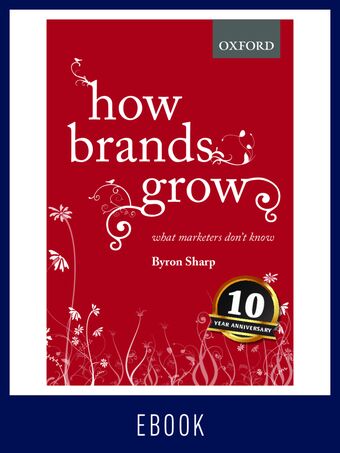
Best for: connecting creative decisions with buying behaviour.
Sharp’s book examines brand growth through marketing research, challenging familiar assumptions about loyalty, differentiation and how people buy. It is a marketing book rather than a guide to making identities, which is precisely why it adds something different to a designer’s shelf.
Read it to question what the creative is supposed to achieve commercially. Then apply the ideas thoughtfully to the category and evidence available, rather than turning them into a universal answer to every brand brief.
Try this: review a campaign with a recognition question: what would help someone connect this execution to the brand quickly? Test that with people beyond the project team.
About the book · Find How Brands Grow on Amazon UK
Turn the reading list into better work
For a junior designer, start with the craft you use every day and add strategy as your responsibilities grow. For a founder or marketing lead, begin with the books that improve the brief and the way you evaluate creative work. For an experienced team, choose a title that challenges a habit you have stopped questioning.
One useful studio exercise is to take a chapter, a current brief and half an hour. Each person brings back one decision they would change and explains why. Reading earns its place when it improves the work, not when it becomes another source of borrowed terminology.
If you are turning brand thinking into a campaign, explore Sidekick’s work or talk to us about your brief. The goal is a brand people can recognise, understand and remember.


