
The best video kit for an in-house marketing team

Hiring an in-house videographer can make a marketing team faster, closer to its customers and less dependent on finding a crew for every small piece of content. But the camera is only one part of that decision. The real investment is a production routine that turns access to your people, product and expertise into useful work.
For a brand building a one-person video team, the best kit is the one that makes that routine repeatable. It should let your videographer light an interview, record dependable sound and get the footage into an edit without spending half the day rebuilding the setup.
This guide is for marketing leads planning that capability, whether you are hiring your first videographer or equipping someone already on the team. The shortlist draws on manufacturer specifications and production judgement; we have not independently tested every product listed.
We may earn a commission if you buy through this article, which supports our research.
Define the content remit before the equipment budget
“We need more video” is too broad a job description. Choose the recurring work you want to bring in-house: customer interviews, product explainers, recruitment stories, leadership updates or paid-social variations. Each makes different demands on the person, the kit and the approval process.
A team producing frequent interviews in one office needs a repeatable room and reliable sound more than a cinema rig. A videographer moving between branches needs a light kit that travels. A team filming live events may need longer uninterrupted recording, a second camera and additional crew. Those are different production models, even if the final videos all end up on LinkedIn.
Before hiring, give candidates a realistic sample brief and ask how they would shoot, edit and deliver it. Their questions about access, locations and approvals will tell you more about the setup you need than a camera specification sheet.
Give one person a workable production model
The strongest reason to employ a videographer is proximity. They can notice stories, build confidence with colleagues and capture moments an external crew would never be present for. Protect that advantage by giving them access to the people who understand the business, rather than treating them as a camera operator waiting for requests.
One person can film and edit a great deal, but those jobs compete for the same hours. Judge capacity through the full process: preparation, recording, file management, editing, captions, review and revisions. A steady flow of requests becomes a bottleneck if every stakeholder can commission work and nobody can approve it.
Agree one owner for the brief and one owner for final sign-off. Build reusable brand graphics, caption styles, interview framing and delivery presets. Then leave room for the videographer to make editorial decisions. Consistency should shorten the routine work, not make every film look identical.
Sony ZV-E10 II for a compact interview setup
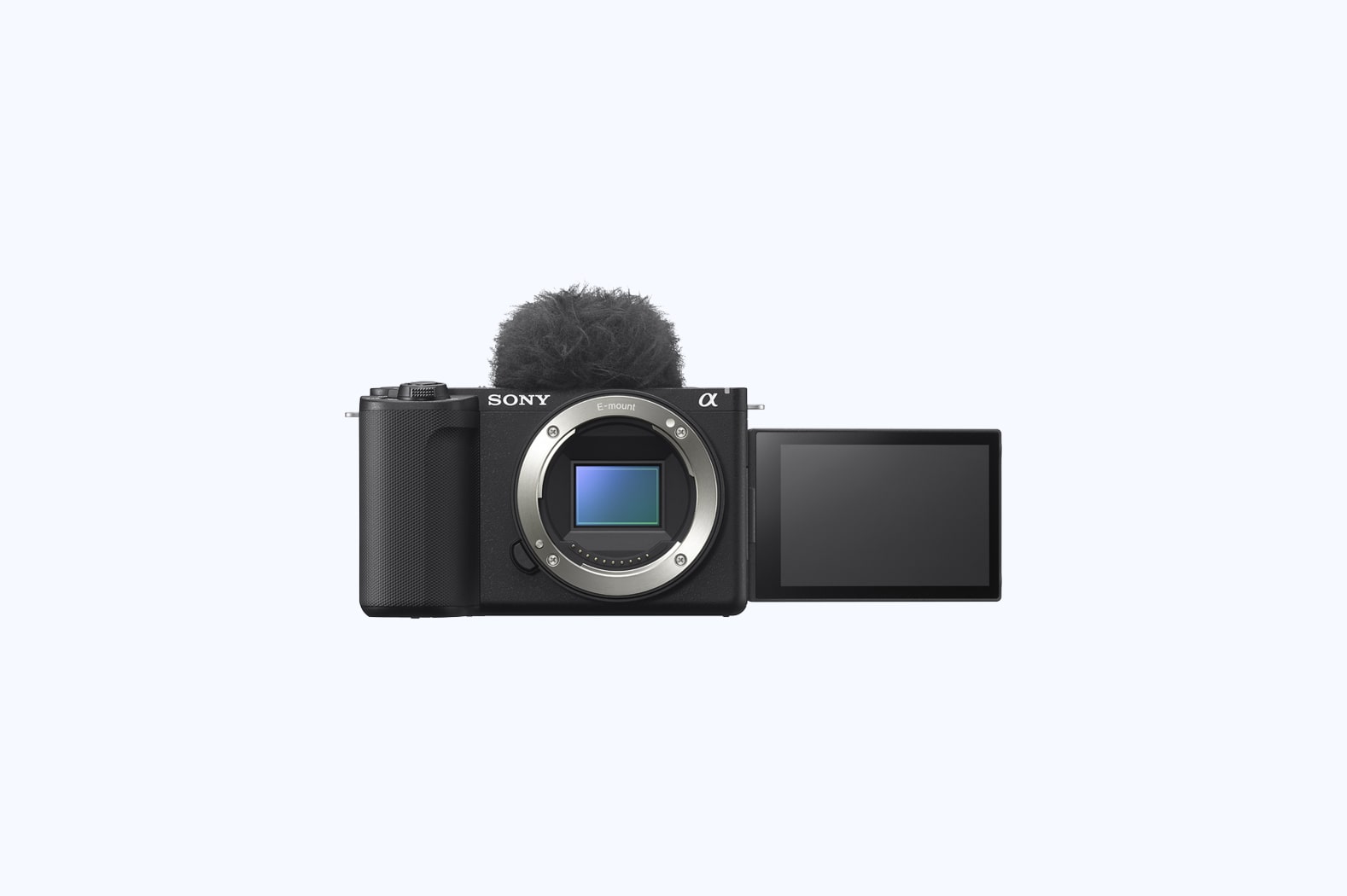
For controlled interviews, product demonstrations and short pieces to camera, the ZV-E10 II is a compact interchangeable-lens option. Sony lists 4K up to 60p, 10-bit recording options and microphone and headphone connections. Those features give a solo operator useful control over picture and sound without starting with a large rig.
The buying question is whether it suits your actual recording day. Test continuous recording time, power and the chosen codec before a long interview. It does not have in-body mechanical stabilisation, so plan support for handheld work. The linked listing is body-only; a compatible lens is a separate purchase. Check Sony’s specifications before choosing cards and recording settings.
Check the Sony ZV-E10 II body on Amazon UK
Sigma 18–50mm F2.8 for fewer lens changes
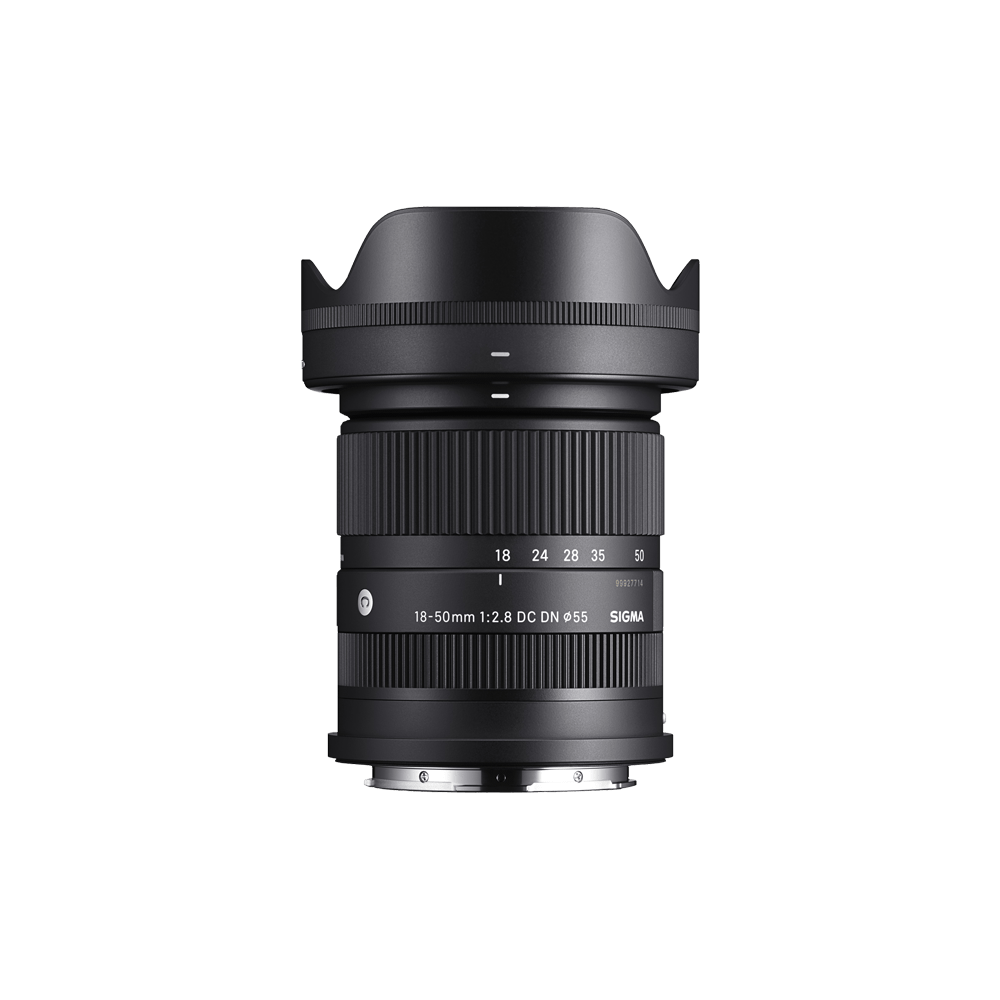
A standard zoom is a practical first lens because it lets your videographer move from a wider view of a workplace to a closer interview frame without repeatedly changing equipment. The Sigma 18–50mm F2.8 DC DN offers a constant f/2.8 aperture in a compact APS-C design.
For the Sony camera above, choose the Sony E-mount version. Sigma sells this lens in several mounts, which are not interchangeable. If an existing kit lens already gives you the framing you need, improve sound and light before replacing it. A wider aperture is useful when the shot calls for it; it is not a substitute for choosing a good background. See Sigma’s product information.
Check the Sigma 18–50mm F2.8 for Sony E on Amazon UK
RØDE Wireless PRO for clear, recoverable dialogue

Interview-led content depends on speech the audience can follow. Wireless PRO includes two transmitters and onboard recording, making it a useful option for presenters and two-person conversations. Its value to a marketing team is less time rescuing an otherwise useful interview in the edit.
The 32-bit float capability applies to the transmitters’ onboard recordings, not automatically to the camera’s audio. Your videographer still needs to enable those files, retrieve them and sync them when required. RØDE explains that distinction in its recording guide. Keep headphones in the kit: clothing noise and an echoing meeting room can still undermine the take.
Check RØDE Wireless PRO on Amazon UK
Manfrotto Befree Live for a portable, stable frame
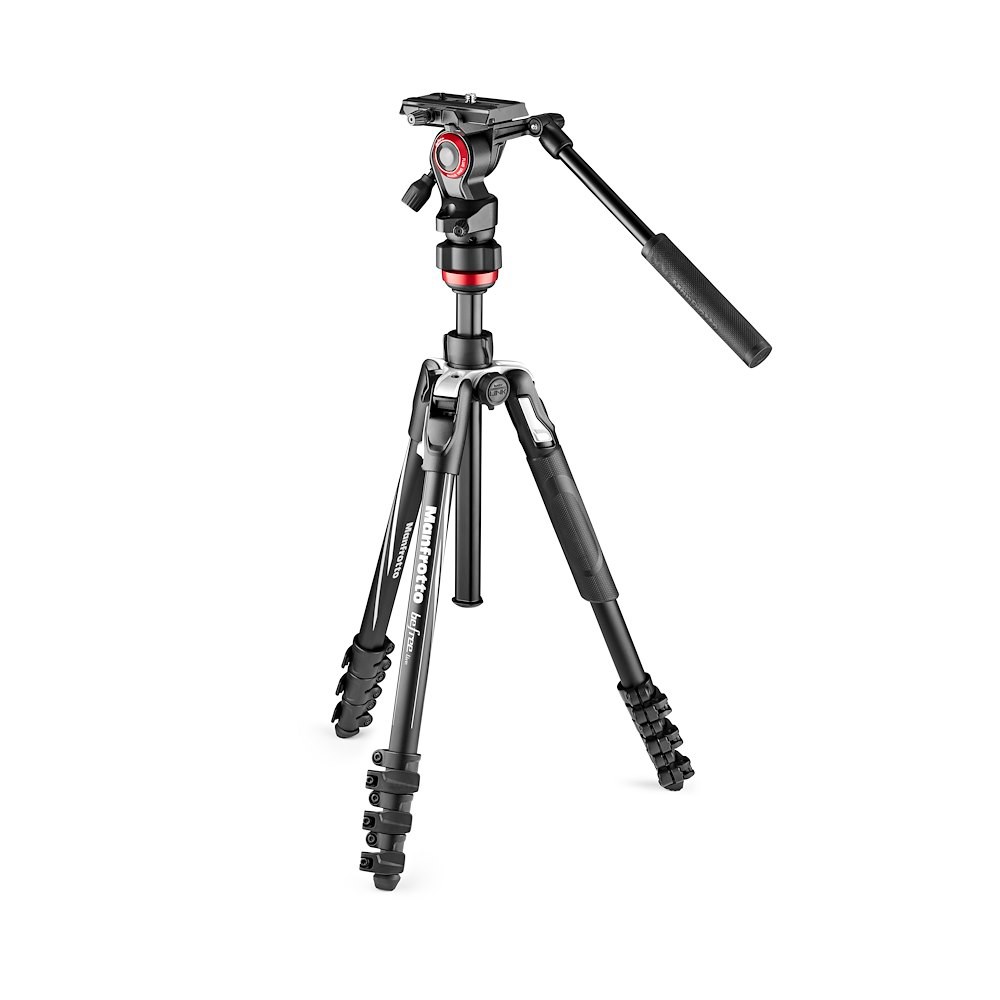
A tripod frees a solo videographer to concentrate on the person speaking instead of constantly correcting the frame. Befree Live combines travel-focused legs with a fluid video head, making it worth considering for a small setup that moves between offices and locations.
Check that the listing is the complete tripod-and-head kit and that its payload suits the camera, lens and accessories together. For a room that stays permanently equipped, a heavier support may be more useful than the lightest travelling option. Manfrotto’s product page sets out the kit and support specifications.
Check the complete Manfrotto Befree Live lever tripod on Amazon UK
amaran 100x S for a repeatable interview look
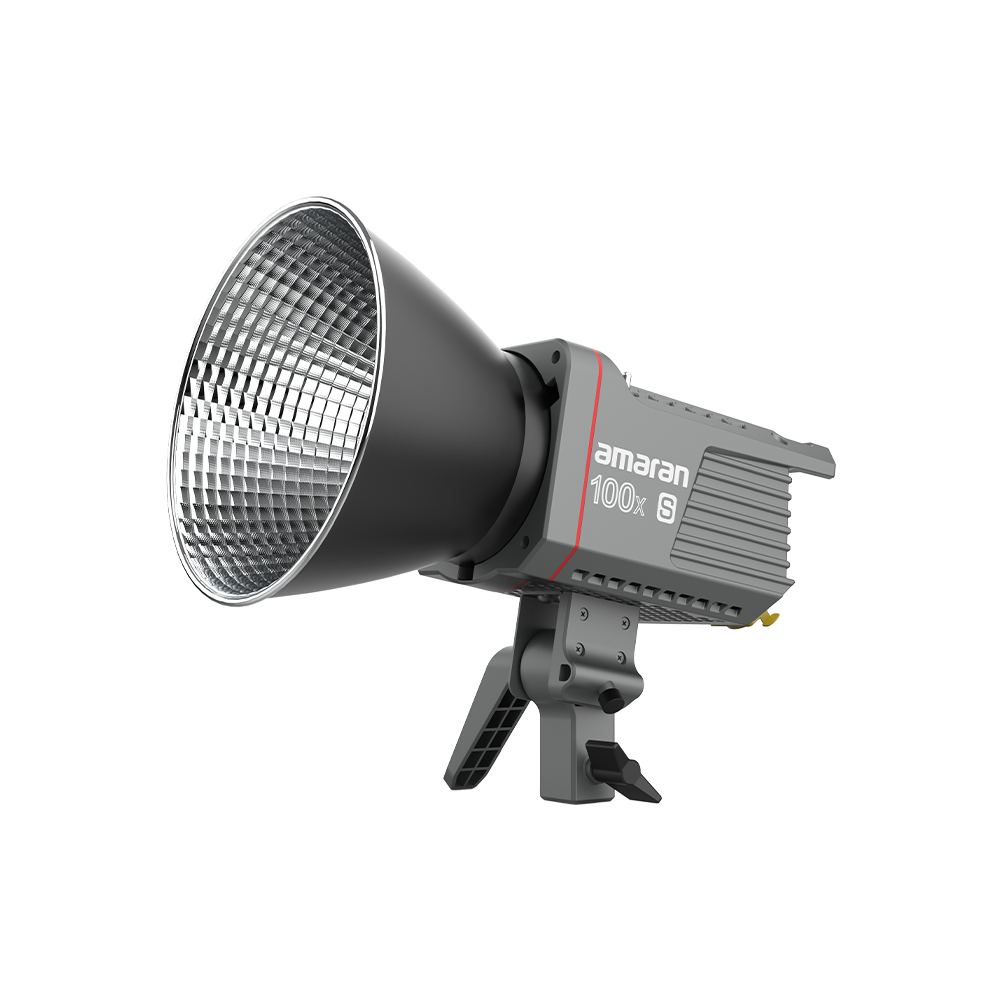
A controllable light helps a team maintain a coherent look when the weather, room and filming time change. The amaran 100x S is a bi-colour, Bowens-mount fixture to consider for indoor interviews, paired with a suitable softbox.
Budget for the whole working setup, including a compatible modifier, stand and appropriate ballast. A bare light is not a ready-to-use interview kit. Check the UK plug, power supply and bundle contents, then listen for fan noise at the microphone position. If you film in the same room regularly, photograph the light position and save the settings so the next shoot starts from an established look. Consult the manufacturer’s product information.
Check amaran 100x S on Amazon UK
Budget for the workflow the camera creates
Leave money for power, the right memory cards, headphones, cables, storage and a protective bag. Those costs are easy to overlook when the camera takes centre stage in the purchase request. Keep at least two separate verified copies of footage before formatting cards; one external SSD is a working drive, not a backup system.
The editing computer is part of the camera decision. Ask your videographer to run a sample file through the full workflow before you settle on a recording format. If the machine struggles, proxies or a simpler recording mode may be more valuable than buying a more expensive camera.
Choose one main editing environment. Adobe Premiere is a sensible route for teams already working with Adobe artwork and motion graphics. DaVinci Resolve offers a free starting point alongside its paid Studio version. Speech-led tools such as Descript can help with transcription and interview edits. Add software to solve a recurring problem, rather than collecting overlapping subscriptions.
Buy against a pilot, then measure what improves
Before committing to a larger kit, run one representative production cycle. Film the kind of interview or demonstration the team will make repeatedly, then take it through editing, stakeholder review and delivery. Note where the time goes. You may discover that room access, slow approvals or unclear briefs cost more than the equipment saves.
Track the cost and time per approved asset, how much recorded material becomes usable content and whether the work performs its intended job. A product explainer should help someone understand the product; a recruitment film should help a candidate judge the company. Output volume alone cannot tell you whether the investment is working.
Keep specialist production for the work that needs it
An in-house videographer and an external production partner can serve different needs. Keep frequent, access-driven content close to the business. Bring in extra support when the work requires a larger crew, specialist lighting, a complex location, animation or a campaign idea that needs developing before anybody starts filming.
Agree the handover before commissioning that support: reusable footage, project files where included, music and talent usage, brand assets and delivery formats. The campaign can then give your internal team useful material to build on, rather than leaving them with one finished film they cannot adapt.
At Sidekick Studios, we can support the team you already have with creative development, production and finishing. Explore our campaign work or tell us what your marketing team needs to make.